 |

|
 |
|
|
|
|


|
|
|
|


| أذكار المسلم | القرآن الكريم | صيد الفوائد | الدُرر السنية |
| قناة المغاربية | Echourouk TV | إذاعة أدرار المحلية | Ennahar TV |
| France 24 | Sky News | al-jazeera | BBC |


|
جديد مواضيع منتديات الواحة / alwahatech newest threads
|
إضغط علي  او او  لمشاركة اصدقائك! لمشاركة اصدقائك! |
| روابط تهمك | القرآن الكـريم | الصوتيات | الفلاشـات | الالعاب | اليوتيوب | الزخرفـة | إعلانـات | قروب | الطقس | الإخبـار | P A ! n | مـركز تـحميل |
|
| ||||||


واحة السنما العربية والعالمية  مخصص لجديد الافلام العربية والعالمية
 |

|
|
|
BBC - Life On Earth (Complete Series) DVDRIP
BBC - Life On Earth (Complete Series) DVDRIP Life on Earth (1979) is an epic 13-programme series, presented by David Attenborough, offering a chronological account of the flora

 |
|
|
أدوات الموضوع | انواع عرض الموضوع |
 |
 |
 02-15-2009,
06:03 PM
02-15-2009,
06:03 PM
|
#1 | |||||||||


آعجبنيً: 0
تلقي آعجاب 37 مرة في 33 مشاركة
|
 Life on Earth (1979) is an epic 13-programme series, presented by David Attenborough, offering a chronological account of the flora and fauna of planet Earth over a period of 3,500 million years. Whether recounting the first journey from the sea to the land, the development of insects and flowers, or The First Forests and The Lords of the Air, Attenborough's enthusiasm is infectious. He guides us through The Infinite Variety of Life from microbes to marsupials, via an unforgettable meeting with mountain gorillas, to conclude with The Compulsive Communicators, mankind itself. Three years in the making, involving 1.5 million miles of travel and featuring some of the most beautiful, breathtaking and ambitious photography then seen on television, Life on Earth was the first natural history blockbuster. It redefined TV by showing that an epic, serious wildlife documentary could be a massive success. As such, it remains a true television landmark and paved the way for Attenborough's The Living Planet and further entries in what became known as his Life series. Technical Specs: Video Codec: XviD (1-5) DivX (6-13) Video Bitrate: ~1550kb/s Video Resolution: Slightly Variable (1-5) 624x464 (6-13) Video Aspect Ratio: 4:3 Audio Codec: AC3 Audio BitRate: 192kb/s 48Khz Audio Channels: 2 RunTime Per Part: ~55Minutes Number Of Parts: 13 Part Size: ~700MBytes Info: [عزيزي الزائر يتوجب عليك التسجيل لمشاهدة الروابط .. للتسجيل فضلاً اضغط هنا] 1. "The Infinite Variety" Broadcast 16 January 1979, the first episode begins in the South American rainforest, whose rich variety of Life forms is used to illustrate the sheer number of different species. Since many are dependent on others for food or means of reproduction, David Attenborough argues that they couldn't all have appeared at once. He sets out to discover which came first, and the reasons for such diversity. He starts by explaining the theories of Charles Darwin and the process of natural selection, using the giant tortoises of the Galapagos Islands (where Darwin voyaged on HMS Beagle) as an example. Fossils provide evidence of the earliest life, and Attenborough travels a vertical mile into the Grand Canyon in search of them. By the time he reaches the Colorado River bed, the geological strata are 2,000 million years old — yet there are no fossils. However, the "right rocks" are found on the shores of Lake Superior in Canada, where wafer-thin slices of flint, called churt, reveal filaments of primitive algae. Also, the micro-organisms that flourish at Yellowstone Park in Wyoming appear to be identical to the Earth's oldest fossils. The evolution of single-celled creatures, from simple cyanophytes to more complex ciliates, and then from multi-celled sponges and jellyfish to the many variations of coral and its associated polyps, is discussed in detail. The fossilised remains of jellyfish are shown within the Flinders Ranges of Australia, and are estimated to be 650 million years old. [عزيزي الزائر يتوجب عليك التسجيل لمشاهدة الروابط .. للتسجيل فضلاً اضغط هنا] [عزيزي الزائر يتوجب عليك التسجيل لمشاهدة الروابط .. للتسجيل فضلاً اضغط هنا] [عزيزي الزائر يتوجب عليك التسجيل لمشاهدة الروابط .. للتسجيل فضلاً اضغط هنا] [عزيزي الزائر يتوجب عليك التسجيل لمشاهدة الروابط .. للتسجيل فضلاً اضغط هنا] [عزيزي الزائر يتوجب عليك التسجيل لمشاهدة الروابط .. للتسجيل فضلاً اضغط هنا] [عزيزي الزائر يتوجب عليك التسجيل لمشاهدة الروابط .. للتسجيل فضلاً اضغط هنا] [عزيزي الزائر يتوجب عليك التسجيل لمشاهدة الروابط .. للتسجيل فضلاً اضغط هنا] [عزيزي الزائر يتوجب عليك التسجيل لمشاهدة الروابط .. للتسجيل فضلاً اضغط هنا] Password: calek 2. "Building Bodies" Broadcast 23 January 1979, the next programme explores the various sea-living invertebrates. In Morocco, the limestones are 600 million years old, and contain many invertebrate fossils. They fall broadly into three categories: shells, crinoids and segmented shells. The evolution of shelled creatures is demonstrated with the flatworm, which eventually changed its body shape when burrowing became a necessity for either food or safety. It then evolved shielded tentacles and the casings eventually enveloped the entire body: these creatures are the brachiopods. The most successful shelled animals are the molluscs, of which there are some 80,000 different species. Some are single-shelled such as the cowrie, while others are bivalves that include the scallop and the giant clam. One species that has remained unchanged for millions of years is the nautilus: it features flotation chambers within its shell, which in turn formed the basis for the ammonites. Crinoids are illustrated by sea lilies, starfish and sea urchins on the Great Barrier Reef. Segmented worms developed to enable sustained burrowing, and well preserved fossils are found in the Rocky Mountains of British Columbia. These developed into trilobites and crustaceans, and the horseshoe crab is shown nesting in vast numbers on Delaware Bay. While the rubber crab breeds in the sea, it is in all other respects a land animal and Attenborough uses it to exemplify the next evolutionary step. 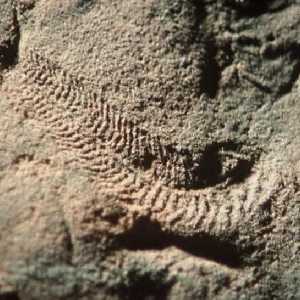 [عزيزي الزائر يتوجب عليك التسجيل لمشاهدة الروابط .. للتسجيل فضلاً اضغط هنا] [عزيزي الزائر يتوجب عليك التسجيل لمشاهدة الروابط .. للتسجيل فضلاً اضغط هنا] [عزيزي الزائر يتوجب عليك التسجيل لمشاهدة الروابط .. للتسجيل فضلاً اضغط هنا] [عزيزي الزائر يتوجب عليك التسجيل لمشاهدة الروابط .. للتسجيل فضلاً اضغط هنا] [عزيزي الزائر يتوجب عليك التسجيل لمشاهدة الروابط .. للتسجيل فضلاً اضغط هنا] [عزيزي الزائر يتوجب عليك التسجيل لمشاهدة الروابط .. للتسجيل فضلاً اضغط هنا] [عزيزي الزائر يتوجب عليك التسجيل لمشاهدة الروابط .. للتسجيل فضلاً اضغط هنا] [عزيزي الزائر يتوجب عليك التسجيل لمشاهدة الروابط .. للتسجيل فضلاً اضغط هنا] Password: calek 3. "The First Forests" Broadcast 30 January 1979, this instalment examines the earliest land vegetation and insects. The first plants, being devoid of stems, mainly comprised mosses and liverworts. Using both sexual and asexual methods of reproduction, they proliferated. Descended from segmented sea creatures, millipedes were among the first to take advantage of such a habitat and were quickly followed by other species. Without water to carry eggs, bodily contact between the sexes was now necessary. This was problematical for some hunters, such as spiders and scorpions, who developed courtship rituals to ensure that that the female didn't eat the male. Over time, the plants' cell walls strengthened and they grew taller. Ferns and horsetails were among the first such species. Insects then evolved wings to avoid climbing and the dragonfly (which once had a wingspan of 60 centimetres) is one of the most successful. [عزيزي الزائر يتوجب عليك التسجيل لمشاهدة الروابط .. للتسجيل فضلاً اضغط هنا] [عزيزي الزائر يتوجب عليك التسجيل لمشاهدة الروابط .. للتسجيل فضلاً اضغط هنا] [عزيزي الزائر يتوجب عليك التسجيل لمشاهدة الروابط .. للتسجيل فضلاً اضغط هنا] [عزيزي الزائر يتوجب عليك التسجيل لمشاهدة الروابط .. للتسجيل فضلاً اضغط هنا] [عزيزي الزائر يتوجب عليك التسجيل لمشاهدة الروابط .. للتسجيل فضلاً اضغط هنا] [عزيزي الزائر يتوجب عليك التسجيل لمشاهدة الروابط .. للتسجيل فضلاً اضغط هنا] [عزيزي الزائر يتوجب عليك التسجيل لمشاهدة الروابط .. للتسجيل فضلاً اضغط هنا] [عزيزي الزائر يتوجب عليك التسجيل لمشاهدة الروابط .. للتسجيل فضلاً اضغط هنا] Password: calek 4. "The Swarming Hordes" Broadcast 6 February 1979, this episode details the relationship between flowers and insects. There are some one million classified species of insect, and two or three times as many that are yet to be labelled. Around 300 million years ago, plants began to enlist insects to help with their reproduction, and they did so with flowers. Although the magnolia, for instance, contains male and female cells, pollination from another plant is preferable as it ensures greater variation and thus evolution. Flowers advertise themselves by either scent or display. 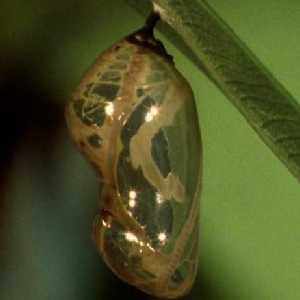 [عزيزي الزائر يتوجب عليك التسجيل لمشاهدة الروابط .. للتسجيل فضلاً اضغط هنا] [عزيزي الزائر يتوجب عليك التسجيل لمشاهدة الروابط .. للتسجيل فضلاً اضغط هنا] [عزيزي الزائر يتوجب عليك التسجيل لمشاهدة الروابط .. للتسجيل فضلاً اضغط هنا] [عزيزي الزائر يتوجب عليك التسجيل لمشاهدة الروابط .. للتسجيل فضلاً اضغط هنا] [عزيزي الزائر يتوجب عليك التسجيل لمشاهدة الروابط .. للتسجيل فضلاً اضغط هنا] [عزيزي الزائر يتوجب عليك التسجيل لمشاهدة الروابط .. للتسجيل فضلاً اضغط هنا] [عزيزي الزائر يتوجب عليك التسجيل لمشاهدة الروابط .. للتسجيل فضلاً اضغط هنا] [عزيزي الزائر يتوجب عليك التسجيل لمشاهدة الروابط .. للتسجيل فضلاً اضغط هنا] Password: calek 5. "The Conquest of the Waters" Broadcast 13 February 1979, this programme looks at the evolution of fish. They have developed a multitude of shapes, sizes and methods of propulsion and navigation. The sea quirt, the lancelet and the lamprey are given as examples of the earliest, simplest types. Then, about 400 million years ago, the first back-boned fish appeared. The Kimberley Ranges of Western Australia are, in fact, the remnants of a coral reef and the ancient seabed. There, Attenborough discovers fossils of the earliest fish to have developed jaws. These evolved into two shapes of creature with cartilaginous skeletons: wide ones (like rays and skates) and long ones (like sharks). 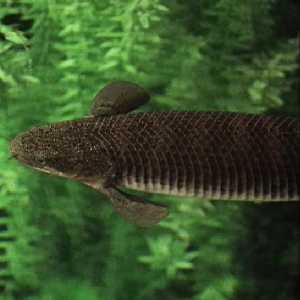 [عزيزي الزائر يتوجب عليك التسجيل لمشاهدة الروابط .. للتسجيل فضلاً اضغط هنا] [عزيزي الزائر يتوجب عليك التسجيل لمشاهدة الروابط .. للتسجيل فضلاً اضغط هنا] [عزيزي الزائر يتوجب عليك التسجيل لمشاهدة الروابط .. للتسجيل فضلاً اضغط هنا] [عزيزي الزائر يتوجب عليك التسجيل لمشاهدة الروابط .. للتسجيل فضلاً اضغط هنا] [عزيزي الزائر يتوجب عليك التسجيل لمشاهدة الروابط .. للتسجيل فضلاً اضغط هنا] [عزيزي الزائر يتوجب عليك التسجيل لمشاهدة الروابط .. للتسجيل فضلاً اضغط هنا] [عزيزي الزائر يتوجب عليك التسجيل لمشاهدة الروابط .. للتسجيل فضلاً اضغط هنا] [عزيزي الزائر يتوجب عليك التسجيل لمشاهدة الروابط .. للتسجيل فضلاً اضغط هنا] Password: calek 6. "Invasion of the Land" Broadcast 20 February 1979, the next instalment describes the move from water to land. The fish that did so may have been forced to because of drought, or chose to in search of food. Either way, they eventually evolved into amphibians. Such creatures needed two things: limbs for mobility and lungs to breathe. The coelacanth is shown as a fish with bony fins that could have developed into legs, and the lungfish is able to absorb gaseous oxygen. However, evidence of an animal that possessed both is presented in the 450 million-year-old fossilised remains of a fish called a eusthenoptron. [عزيزي الزائر يتوجب عليك التسجيل لمشاهدة الروابط .. للتسجيل فضلاً اضغط هنا] [عزيزي الزائر يتوجب عليك التسجيل لمشاهدة الروابط .. للتسجيل فضلاً اضغط هنا] [عزيزي الزائر يتوجب عليك التسجيل لمشاهدة الروابط .. للتسجيل فضلاً اضغط هنا] [عزيزي الزائر يتوجب عليك التسجيل لمشاهدة الروابط .. للتسجيل فضلاً اضغط هنا] [عزيزي الزائر يتوجب عليك التسجيل لمشاهدة الروابط .. للتسجيل فضلاً اضغط هنا] [عزيزي الزائر يتوجب عليك التسجيل لمشاهدة الروابط .. للتسجيل فضلاً اضغط هنا] [عزيزي الزائر يتوجب عليك التسجيل لمشاهدة الروابط .. للتسجيل فضلاً اضغط هنا] [عزيزي الزائر يتوجب عليك التسجيل لمشاهدة الروابط .. للتسجيل فضلاً اضغط هنا] Password: calek 7. "Victors of the Dry Land" Broadcast 27 February 1979, this episode is devoted to the evolution of reptiles. They are not as restricted as their amphibian ancestors, since they can survive in the hottest climates. The reason is their scaly, practically watertight skin. The scales protect the body from wear and tear and in the case of some species of lizard, such as the Australian thorny devil, serve to protect from attack. The horned iguana from the West Indies is also one of the most heavily armoured. The skin is rich in pigment cells, which provide effective means of camouflage, and the chameleon is a well known example. Temperature control is important to reptiles: they can’t generate body heat internally or sweat to keep cool. [عزيزي الزائر يتوجب عليك التسجيل لمشاهدة الروابط .. للتسجيل فضلاً اضغط هنا] [عزيزي الزائر يتوجب عليك التسجيل لمشاهدة الروابط .. للتسجيل فضلاً اضغط هنا] [عزيزي الزائر يتوجب عليك التسجيل لمشاهدة الروابط .. للتسجيل فضلاً اضغط هنا] [عزيزي الزائر يتوجب عليك التسجيل لمشاهدة الروابط .. للتسجيل فضلاً اضغط هنا] [عزيزي الزائر يتوجب عليك التسجيل لمشاهدة الروابط .. للتسجيل فضلاً اضغط هنا] [عزيزي الزائر يتوجب عليك التسجيل لمشاهدة الروابط .. للتسجيل فضلاً اضغط هنا] [عزيزي الزائر يتوجب عليك التسجيل لمشاهدة الروابط .. للتسجيل فضلاً اضغط هنا] [عزيزي الزائر يتوجب عليك التسجيل لمشاهدة الروابط .. للتسجيل فضلاً اضغط هنا] Password: calek 8. "Lords of the Air" Broadcast 6 March 1979, this programme focuses on birds. The feather is key to everything that is crucial about a bird: it is both its aerofoil and its insulator. The earliest feathers were found on a fossilised archeopteryx skeleton in Bavaria. However, it had claws on its wings and there is only one species alive today that does so: the hoatzin, whose chicks possess them for about a week or so. Nevertheless, it serves to illustrate the probable movement of its ancestor. It may have taken to the trees to avoid predators, and over time, its bony, reptilian tail was replaced by feathers and its heavy jaw evolved into a keratin beak. Beaks come in a variety of shapes depending on a bird’s feeding habits: examples given include the pouched bill of a pelican, the hooked beak of the vulture and the elongated mouth of the hummingbird. 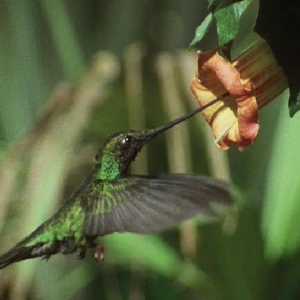 [عزيزي الزائر يتوجب عليك التسجيل لمشاهدة الروابط .. للتسجيل فضلاً اضغط هنا] [عزيزي الزائر يتوجب عليك التسجيل لمشاهدة الروابط .. للتسجيل فضلاً اضغط هنا] [عزيزي الزائر يتوجب عليك التسجيل لمشاهدة الروابط .. للتسجيل فضلاً اضغط هنا] [عزيزي الزائر يتوجب عليك التسجيل لمشاهدة الروابط .. للتسجيل فضلاً اضغط هنا] [عزيزي الزائر يتوجب عليك التسجيل لمشاهدة الروابط .. للتسجيل فضلاً اضغط هنا] [عزيزي الزائر يتوجب عليك التسجيل لمشاهدة الروابط .. للتسجيل فضلاً اضغط هنا] [عزيزي الزائر يتوجب عليك التسجيل لمشاهدة الروابط .. للتسجيل فضلاً اضغط هنا] [عزيزي الزائر يتوجب عليك التسجيل لمشاهدة الروابط .. للتسجيل فضلاً اضغط هنا] Password: calek 9. "The Rise of the Mammals" Broadcast 13 March 1979, this instalment is the first of several to concentrate on mammals. The platypus and the echidna are the only mammals that lay eggs (in much the same manner of reptiles), and it is from such animals that others in the group evolved. Since mammals have warm blood and most have dense fur, they can hunt at night when temperatures drop. It is for this reason that they became more successful than their reptile ancestors, who needed to heat themselves externally. Much of the programme is devoted to marsupials (whose young are partially formed at birth) of which fossils have been found in the Americas dating back 60 million years. [عزيزي الزائر يتوجب عليك التسجيل لمشاهدة الروابط .. للتسجيل فضلاً اضغط هنا] [عزيزي الزائر يتوجب عليك التسجيل لمشاهدة الروابط .. للتسجيل فضلاً اضغط هنا] [عزيزي الزائر يتوجب عليك التسجيل لمشاهدة الروابط .. للتسجيل فضلاً اضغط هنا] [عزيزي الزائر يتوجب عليك التسجيل لمشاهدة الروابط .. للتسجيل فضلاً اضغط هنا] [عزيزي الزائر يتوجب عليك التسجيل لمشاهدة الروابط .. للتسجيل فضلاً اضغط هنا] [عزيزي الزائر يتوجب عليك التسجيل لمشاهدة الروابط .. للتسجيل فضلاً اضغط هنا] [عزيزي الزائر يتوجب عليك التسجيل لمشاهدة الروابط .. للتسجيل فضلاً اضغط هنا] [عزيزي الزائر يتوجب عليك التسجيل لمشاهدة الروابط .. للتسجيل فضلاً اضغط هنا] Password: calek 10. "Theme and Variations" Broadcast 20 March 1979, this episode continues the study of mammals, and particularly those whose young gestate inside their bodies. Attenborough asks why these have become so varied and tries to discover the common theme that links them. Examples of primitive mammals that are still alive today include the treeshrew, the desman and the star-nosed mole. Insect eaters vary enormously from the aardvark, giant anteater and pangolin to those to which much of this programme is devoted: the bats, of which there are nearly 1,000 different species. These took to flying at night, and it’s possible that they evolved from treeshrews that jumped from tree to tree, in much the same way as a flying squirrel. Most bats use sonar to hunt and navigate, and ultrasound to communicate. 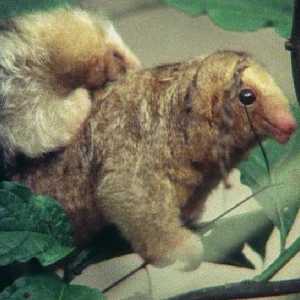 [عزيزي الزائر يتوجب عليك التسجيل لمشاهدة الروابط .. للتسجيل فضلاً اضغط هنا] [عزيزي الزائر يتوجب عليك التسجيل لمشاهدة الروابط .. للتسجيل فضلاً اضغط هنا] [عزيزي الزائر يتوجب عليك التسجيل لمشاهدة الروابط .. للتسجيل فضلاً اضغط هنا] [عزيزي الزائر يتوجب عليك التسجيل لمشاهدة الروابط .. للتسجيل فضلاً اضغط هنا] [عزيزي الزائر يتوجب عليك التسجيل لمشاهدة الروابط .. للتسجيل فضلاً اضغط هنا] [عزيزي الزائر يتوجب عليك التسجيل لمشاهدة الروابط .. للتسجيل فضلاً اضغط هنا] [عزيزي الزائر يتوجب عليك التسجيل لمشاهدة الروابط .. للتسجيل فضلاً اضغط هنا] [عزيزي الزائر يتوجب عليك التسجيل لمشاهدة الروابط .. للتسجيل فضلاً اضغط هنا] Password: calek 11. "The Hunters and Hunted" Broadcast 27 March 1979, this programme surveys mammal herbivores and their predators. The herbivores began to populate the forests when the dinosaurs disappeared, and many took to gathering food at night. To prepare for winter, some store it in vast quantities, some hibernate and others make do as best they can. However, the carnivores joined them, and when a dying climate triggered the spread of grass, they followed their prey out on to the plains. Grass is not easily digestible and most animals that eat it have to regurgitate it and chew the cud. Out in the open, the leaf-eaters had to develop means of protection. A few species turned into burrowers: examples include the blind mole-rat, which is completely underground, and the prairie dog, which isn't. 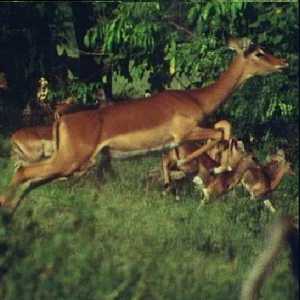 [عزيزي الزائر يتوجب عليك التسجيل لمشاهدة الروابط .. للتسجيل فضلاً اضغط هنا] [عزيزي الزائر يتوجب عليك التسجيل لمشاهدة الروابط .. للتسجيل فضلاً اضغط هنا] [عزيزي الزائر يتوجب عليك التسجيل لمشاهدة الروابط .. للتسجيل فضلاً اضغط هنا] [عزيزي الزائر يتوجب عليك التسجيل لمشاهدة الروابط .. للتسجيل فضلاً اضغط هنا] [عزيزي الزائر يتوجب عليك التسجيل لمشاهدة الروابط .. للتسجيل فضلاً اضغط هنا] [عزيزي الزائر يتوجب عليك التسجيل لمشاهدة الروابط .. للتسجيل فضلاً اضغط هنا] [عزيزي الزائر يتوجب عليك التسجيل لمشاهدة الروابط .. للتسجيل فضلاً اضغط هنا] [عزيزي الزائر يتوجب عليك التسجيل لمشاهدة الروابط .. للتسجيل فضلاً اضغط هنا] Password: calek 12. "Life in the Trees" Broadcast 3 April 1979, the penultimate instalment investigates the primates, whose defining characteristics are forward-facing eyes for judging distance, and gripping hands with which to grasp branches, manipulate food and groom one another. The programme begins in Madagascar, home to the lemurs, of which there are some 20 different types. Two examples are the sifaka, which is a specialised jumper, and the indri, which has a well developed voice. Away from Madagascar, the only lemur relatives to have survived are nocturnal, such as the bushbaby, the potto and the loris. The others were supplanted by the monkeys and a primitive species that still exists is the smallest, the marmoset. [عزيزي الزائر يتوجب عليك التسجيل لمشاهدة الروابط .. للتسجيل فضلاً اضغط هنا] [عزيزي الزائر يتوجب عليك التسجيل لمشاهدة الروابط .. للتسجيل فضلاً اضغط هنا] [عزيزي الزائر يتوجب عليك التسجيل لمشاهدة الروابط .. للتسجيل فضلاً اضغط هنا] [عزيزي الزائر يتوجب عليك التسجيل لمشاهدة الروابط .. للتسجيل فضلاً اضغط هنا] [عزيزي الزائر يتوجب عليك التسجيل لمشاهدة الروابط .. للتسجيل فضلاً اضغط هنا] [عزيزي الزائر يتوجب عليك التسجيل لمشاهدة الروابط .. للتسجيل فضلاً اضغط هنا] [عزيزي الزائر يتوجب عليك التسجيل لمشاهدة الروابط .. للتسجيل فضلاً اضغط هنا] [عزيزي الزائر يتوجب عليك التسجيل لمشاهدة الروابط .. للتسجيل فضلاً اضغط هنا] Password: calek 13. "The Compulsive Communicators" Broadcast 10 April 1979, the final episode deals with the evolution of the most widespread and dominant species on Earth: humans. The story begins in Africa, where, some 10 million years ago, apes descended from the trees and ventured out into the open grasslands in search of food. They slowly adapted to the habitat and grew in size. Their acute sense of vision led to them standing erect to spot predators, leaving their hands free to bear weapons. In addition, the primitive apemen also had stones that were chipped into cutting tools. Slowly, they grew taller and more upright, and their stone implements became ever more elaborate. Furthermore, animal hunting expeditions required a degree of co-operation to achieve a successful outcome. [عزيزي الزائر يتوجب عليك التسجيل لمشاهدة الروابط .. للتسجيل فضلاً اضغط هنا] [عزيزي الزائر يتوجب عليك التسجيل لمشاهدة الروابط .. للتسجيل فضلاً اضغط هنا] [عزيزي الزائر يتوجب عليك التسجيل لمشاهدة الروابط .. للتسجيل فضلاً اضغط هنا] [عزيزي الزائر يتوجب عليك التسجيل لمشاهدة الروابط .. للتسجيل فضلاً اضغط هنا] [عزيزي الزائر يتوجب عليك التسجيل لمشاهدة الروابط .. للتسجيل فضلاً اضغط هنا] [عزيزي الزائر يتوجب عليك التسجيل لمشاهدة الروابط .. للتسجيل فضلاً اضغط هنا] [عزيزي الزائر يتوجب عليك التسجيل لمشاهدة الروابط .. للتسجيل فضلاً اضغط هنا] [عزيزي الزائر يتوجب عليك التسجيل لمشاهدة الروابط .. للتسجيل فضلاً اضغط هنا] Password: calek BBC - Life On Earth (Complete Series) DVDRIP 
االموضوع الأصلي : BBC - Life On Earth (Complete Series) DVDRIP || الكاتب : KaSoFt20o8_Rm || المصدر : alwahatech
| |||||||||

|


 BBC - Life On Earth (Complete Series) DVDRIP
 |
 |


|
|
«
الموضوع السابق
|
الموضوع التالي
»
| أدوات الموضوع | |
| انواع عرض الموضوع | |


 العرض العادي

|
|


|
المواضيع المتشابهه
|
||||
| الموضوع | كاتب الموضوع | المنتدى | مشاركات | آخر مشاركة |
| الفلم الوثائقي الجميل ما بعد الانسان Life After People (2008) DVDRIP Translated | slimane2222 | واحة الافلام الوثائقية | 3 | 08-03-2011 03:18 AM |
| The Complete English Grammar Series | m_giniral | واحة اللغة الانجليزية | 4 | 03-26-2010 12:56 PM |
| لعبة hitman series | karima | واحة العاب الكمبيوتر | 1 | 08-18-2008 10:05 AM |
| god of war 1 rapport complete | nabil4777 | واحة العاب اكس بوكس والبلايستيشن | 0 | 05-21-2008 06:31 PM |
| English Guide Series | slimane2222 | واحة اللغة الانجليزية | 0 | 05-21-2008 01:27 PM |
الساعة الآن 05:42 PM.

- جميع المشاركات المكتوبة تعبر عن وجهة نظر صاحبها ،، و لا تعبر بأي شكل من الأشكال عن وجهة نظر إدارة المنتدى -
 |

|
 |